Close-ups
Framed and on the wall
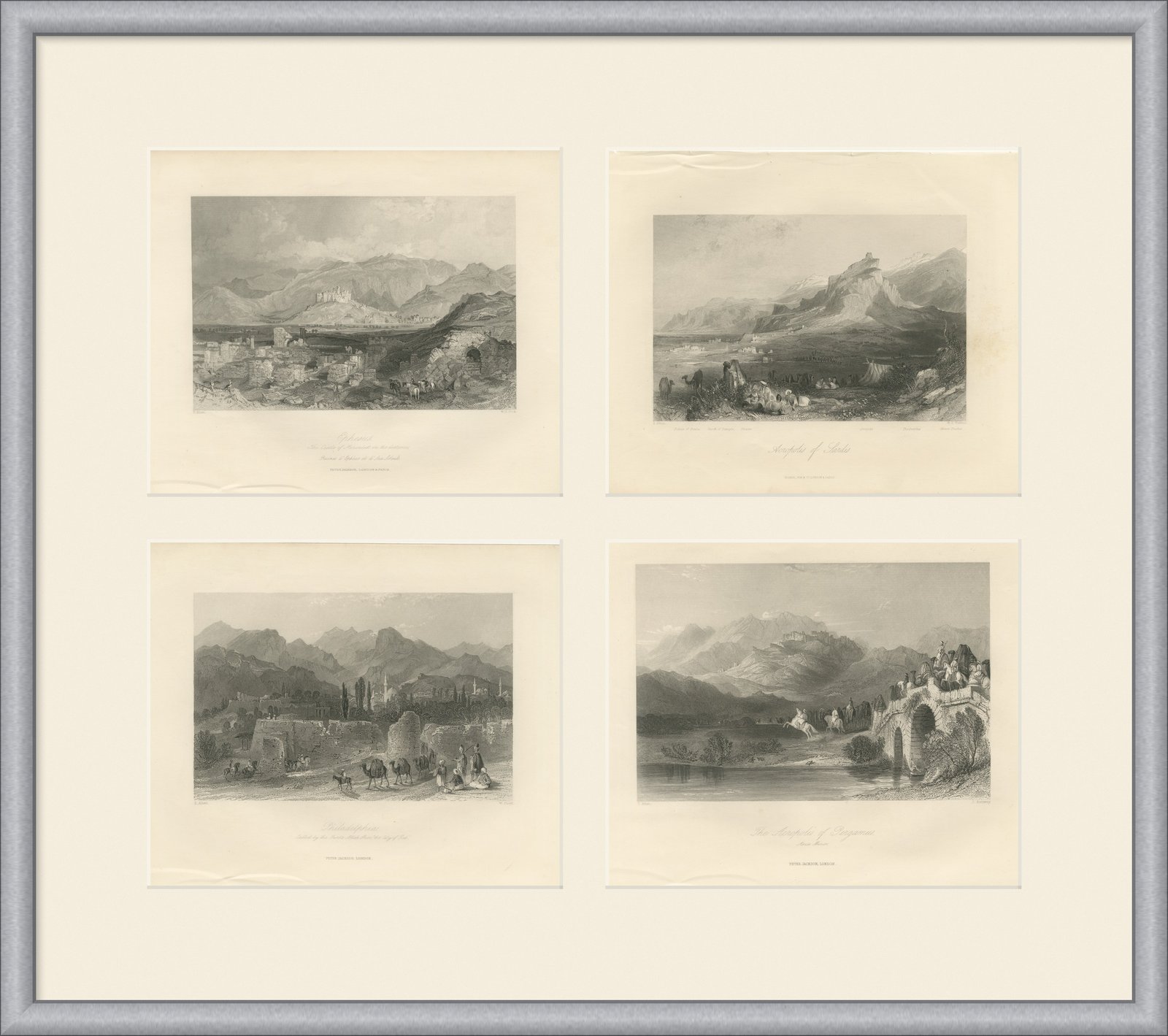
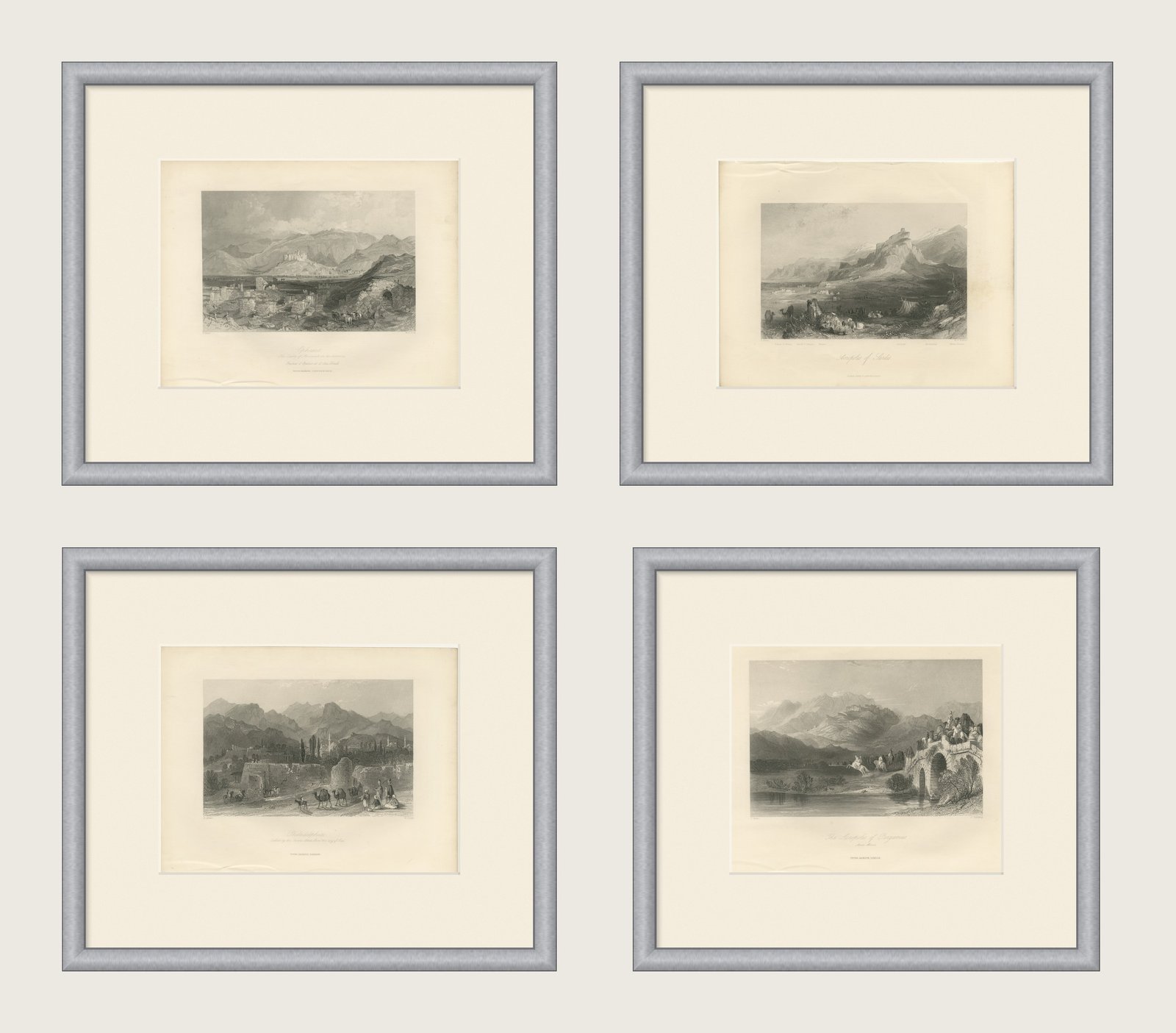
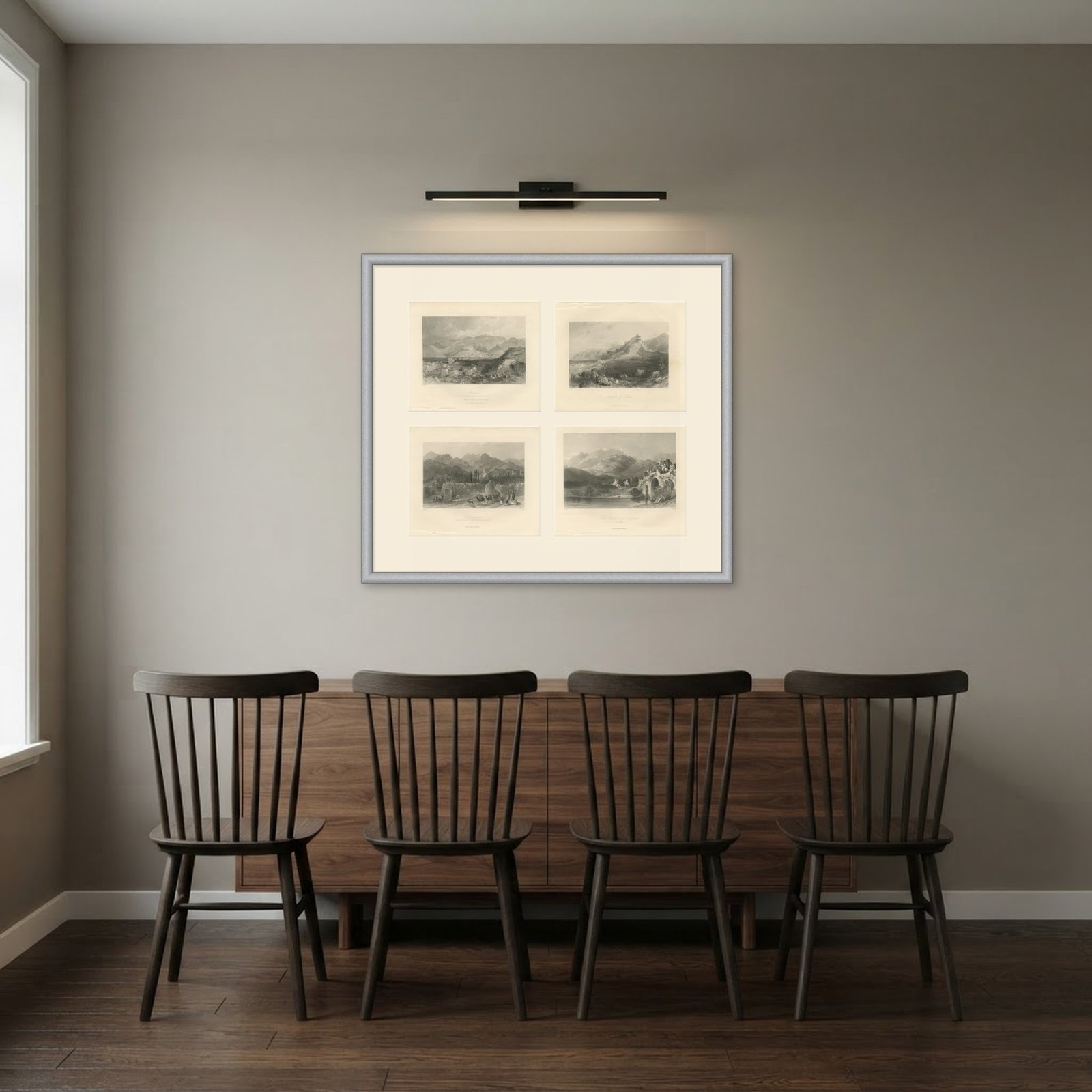
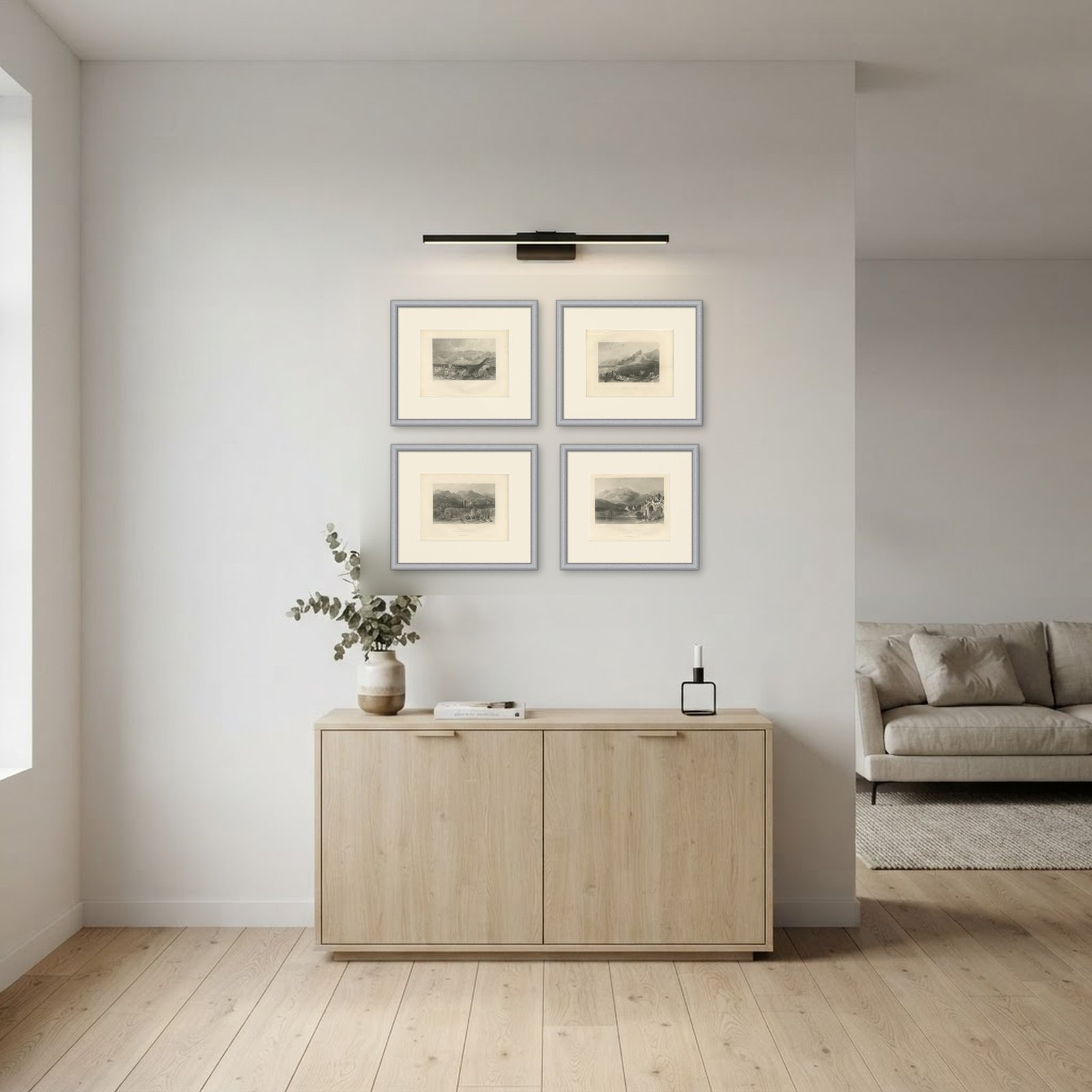
Frame and rooms are illustrations of how the print could look, drawn to its real size; it is sold unframed unless the description says otherwise.
The Holy Land
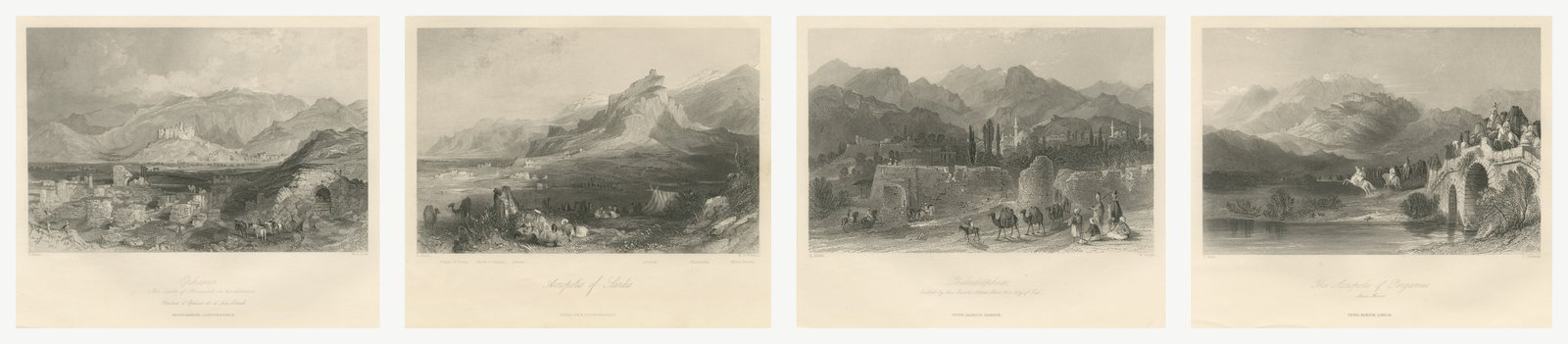
Four of the Seven Churches of Asia Minor, Antique Set, circa 1850
Anno Domini MDCCCLcirca 1850
$395
€355 · £295
Original print, not a reproduction
Ships worldwide from the Netherlands, flat or rolled, insured and tracked. 14-day returns.
- Date
- circa 1850
- Sheet size
- 8.3 × 10.6 in (21 × 27 cm)
- Technique
- Steel Engraving
- Coloring
- Uncolored
- Condition
- Good. Even age toning throughout. Marked handling soiling along the edges of all four sheets. Scattered foxing in the margins of all four sheets. All corners complete on every sheet.
- Faith
- Christianity
- Collection
- The Holy Land
- Era
- 1850 and after, Chromolithographs and devotional prints
- Stock no.
- BG-14186-2-31
What the condition grades mean
- Excellent
- Bright and clean, with no faults worth mentioning.
- Very good
- Only light signs of age, such as faint toning.
- Good
- Normal signs of age for a sheet of this period: toning, some foxing, small marks or neat old repairs.
- Fair
- Clear faults such as staining, tears or repairs, priced to match.
Every fault we see is written in the condition note, and the whole sheet is shown uncropped in the photos.
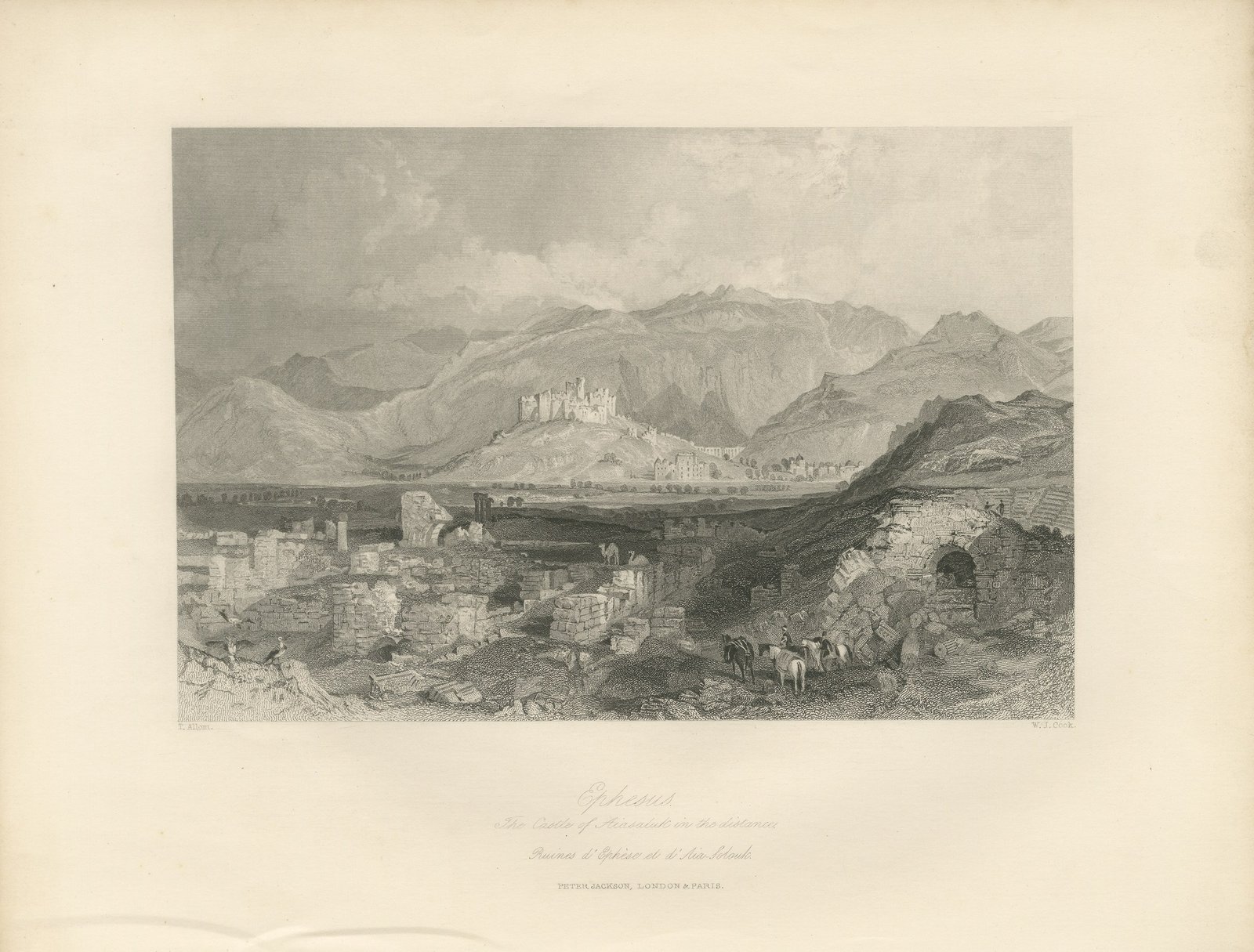
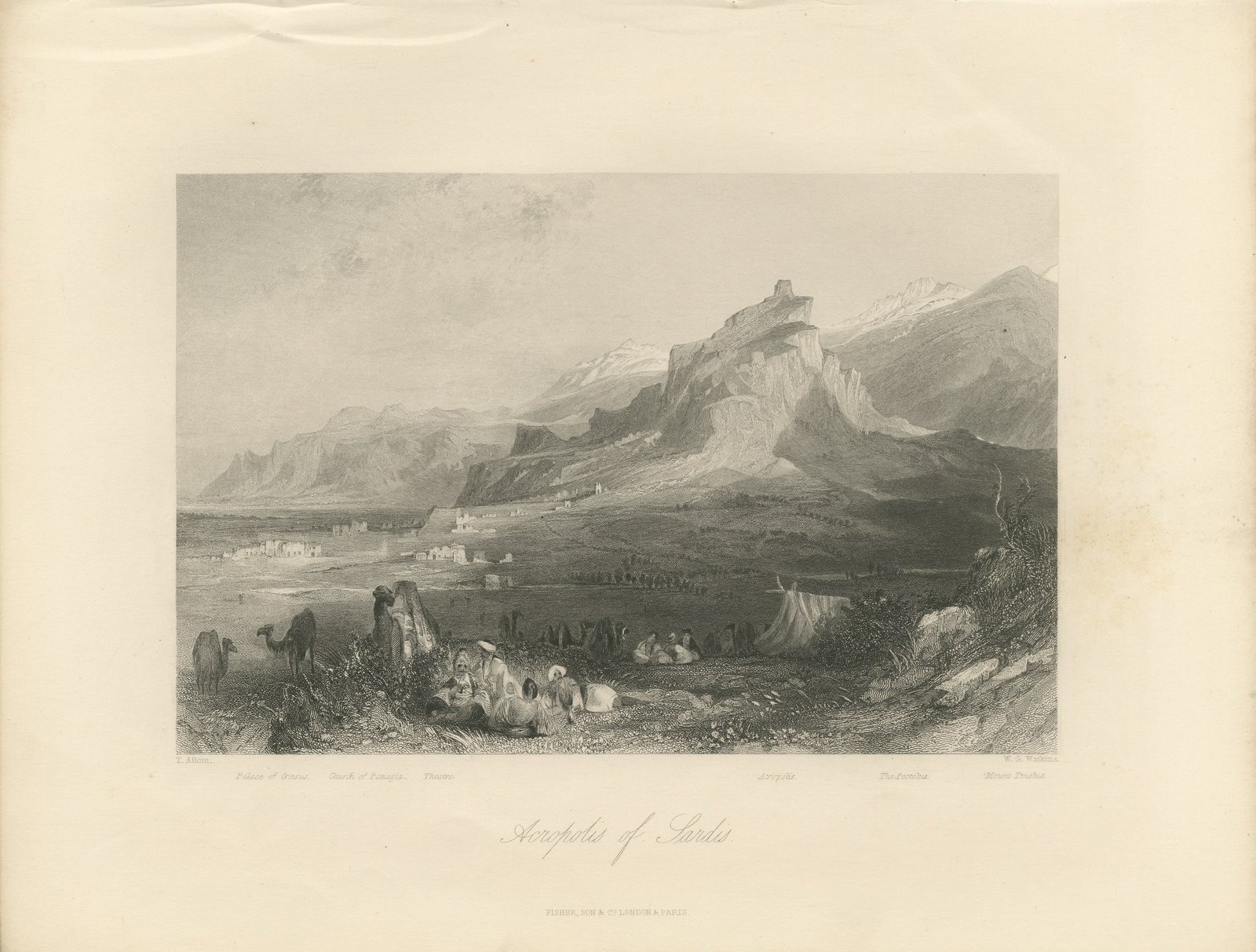
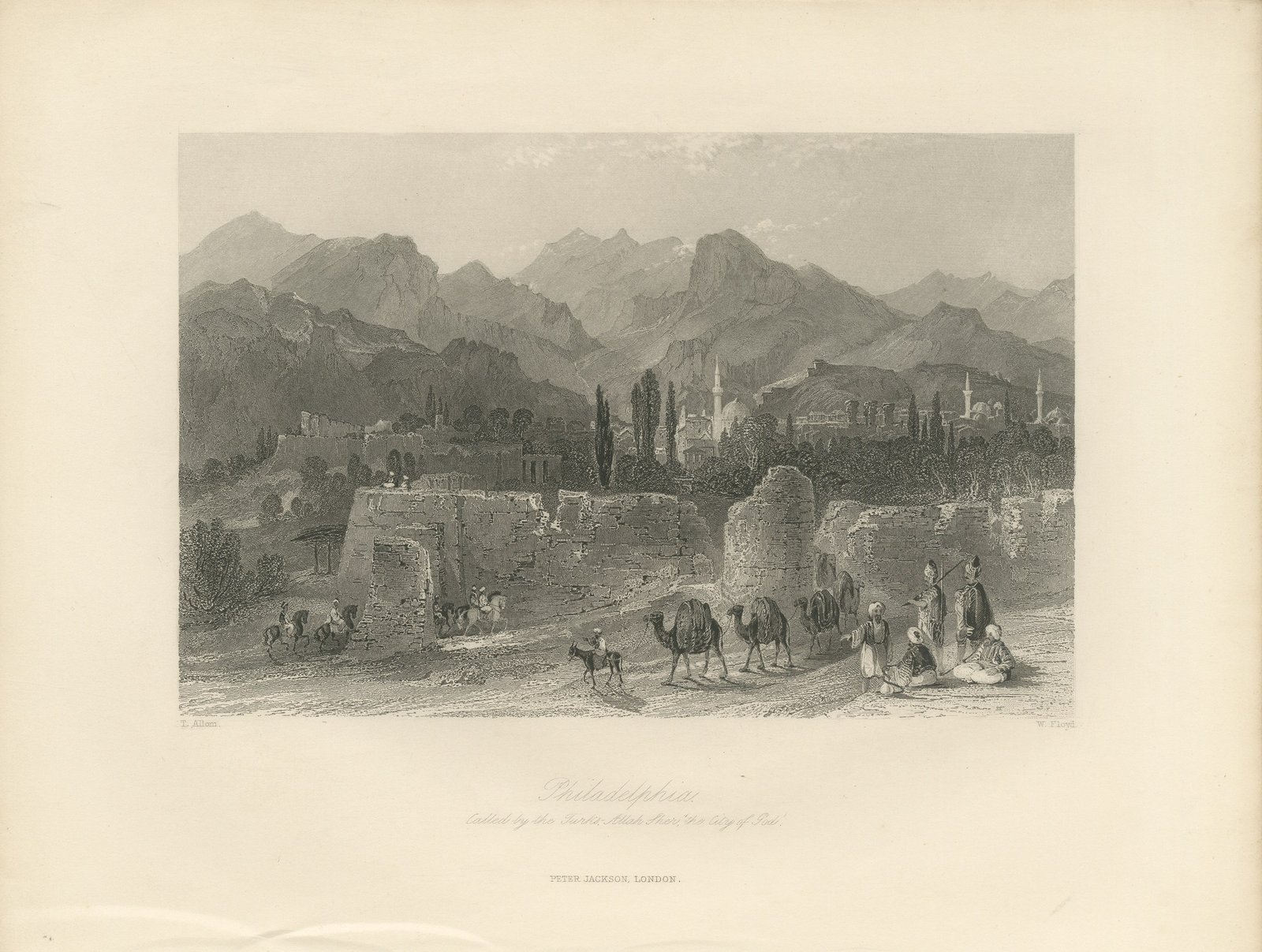
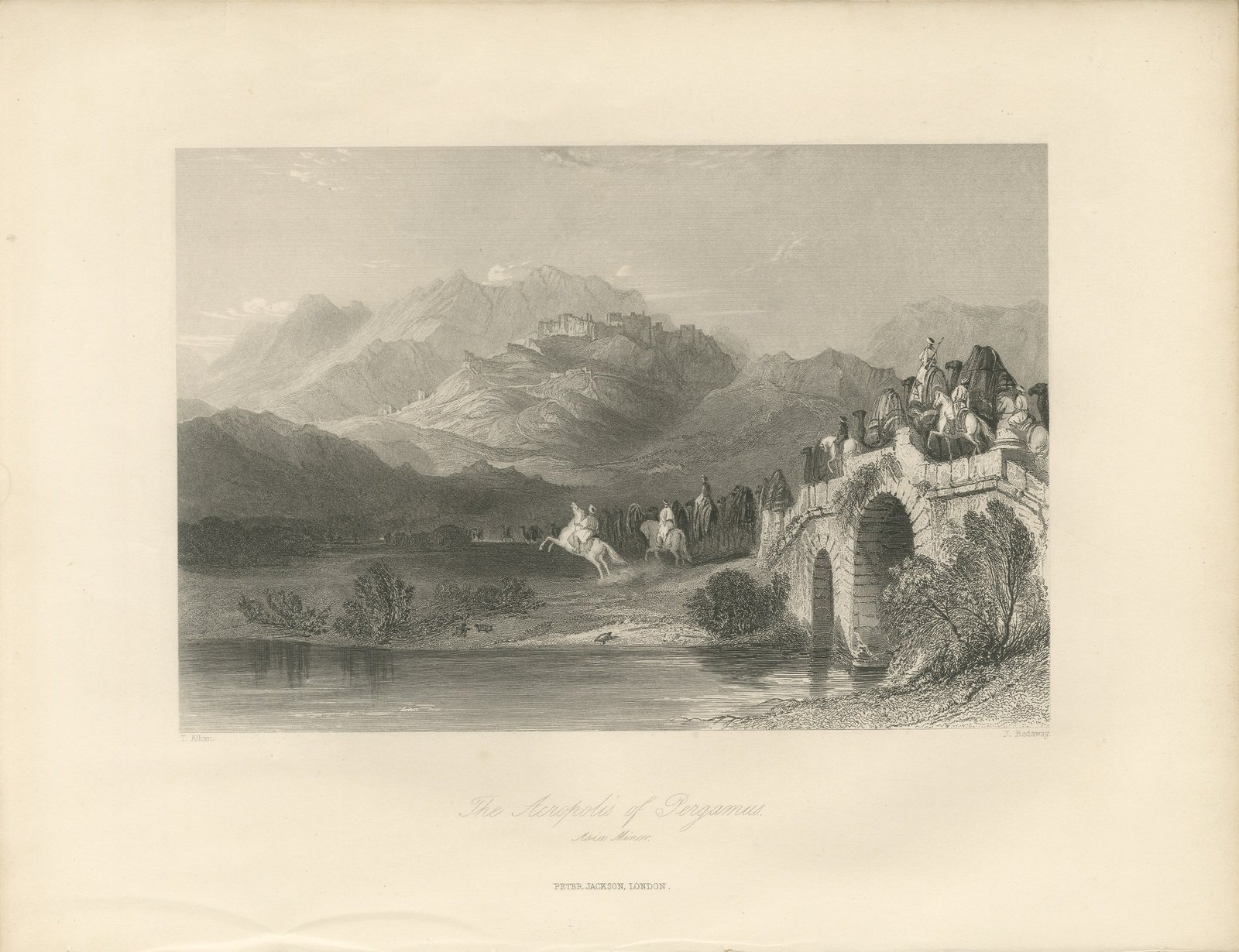
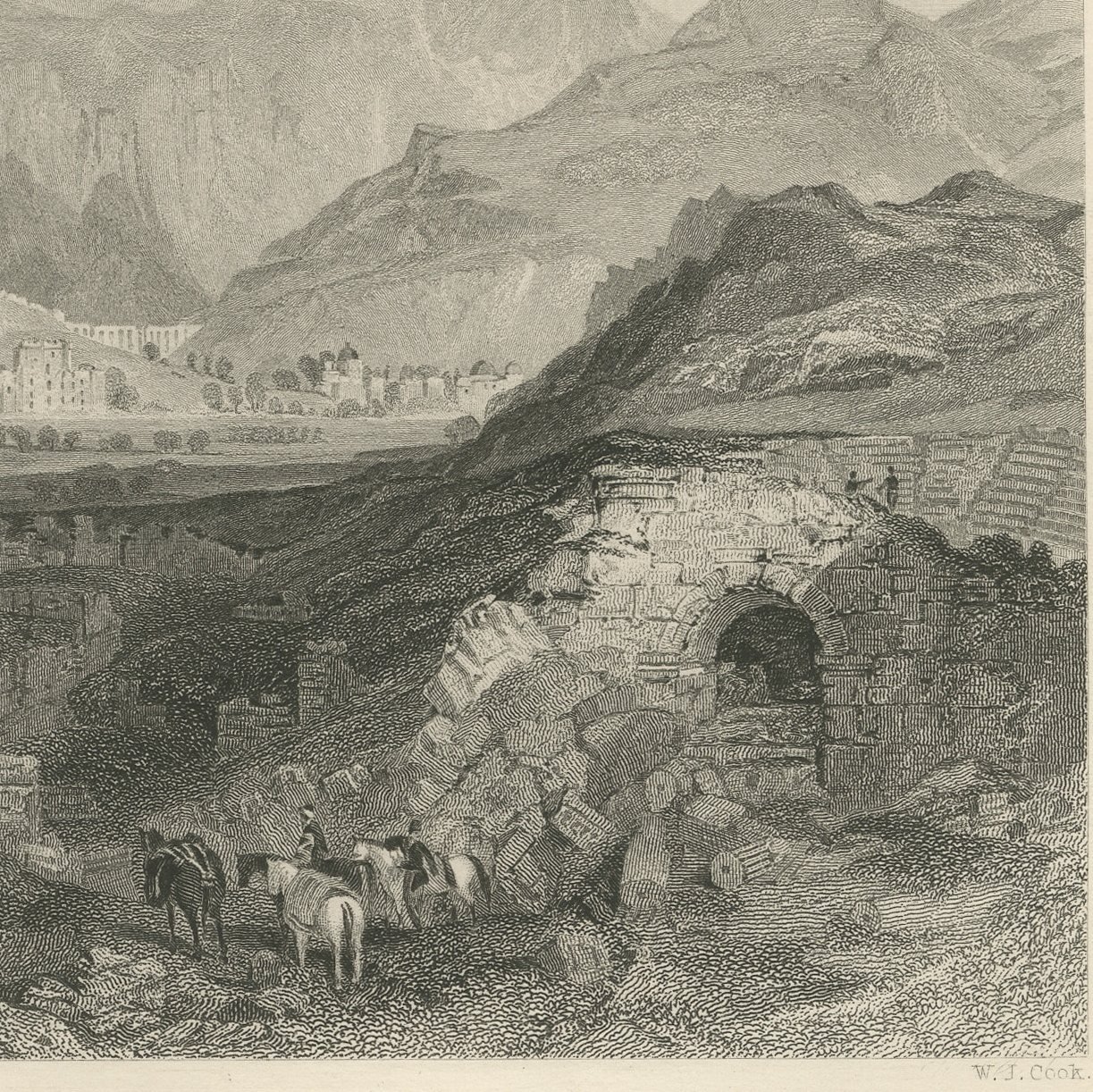
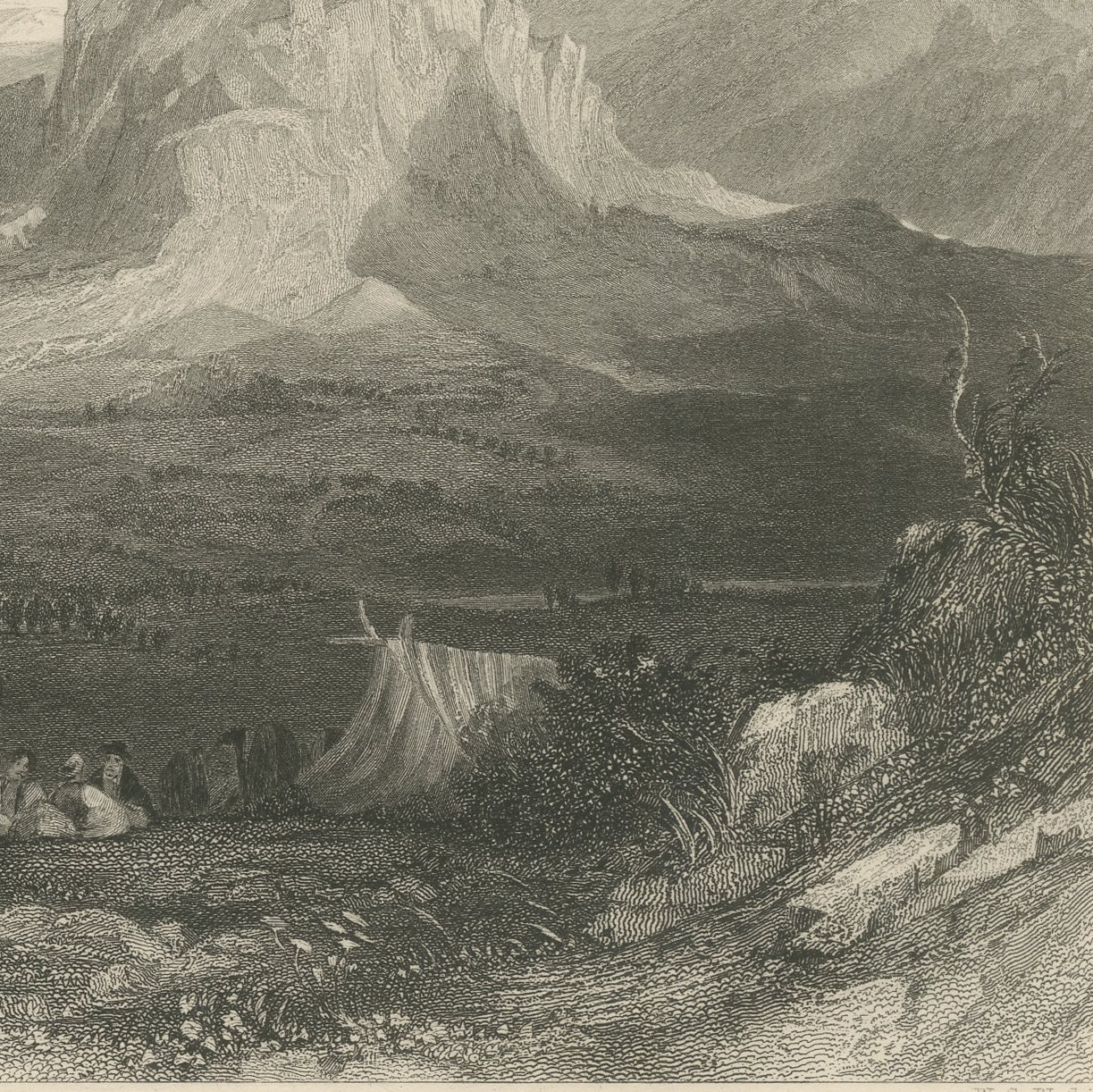
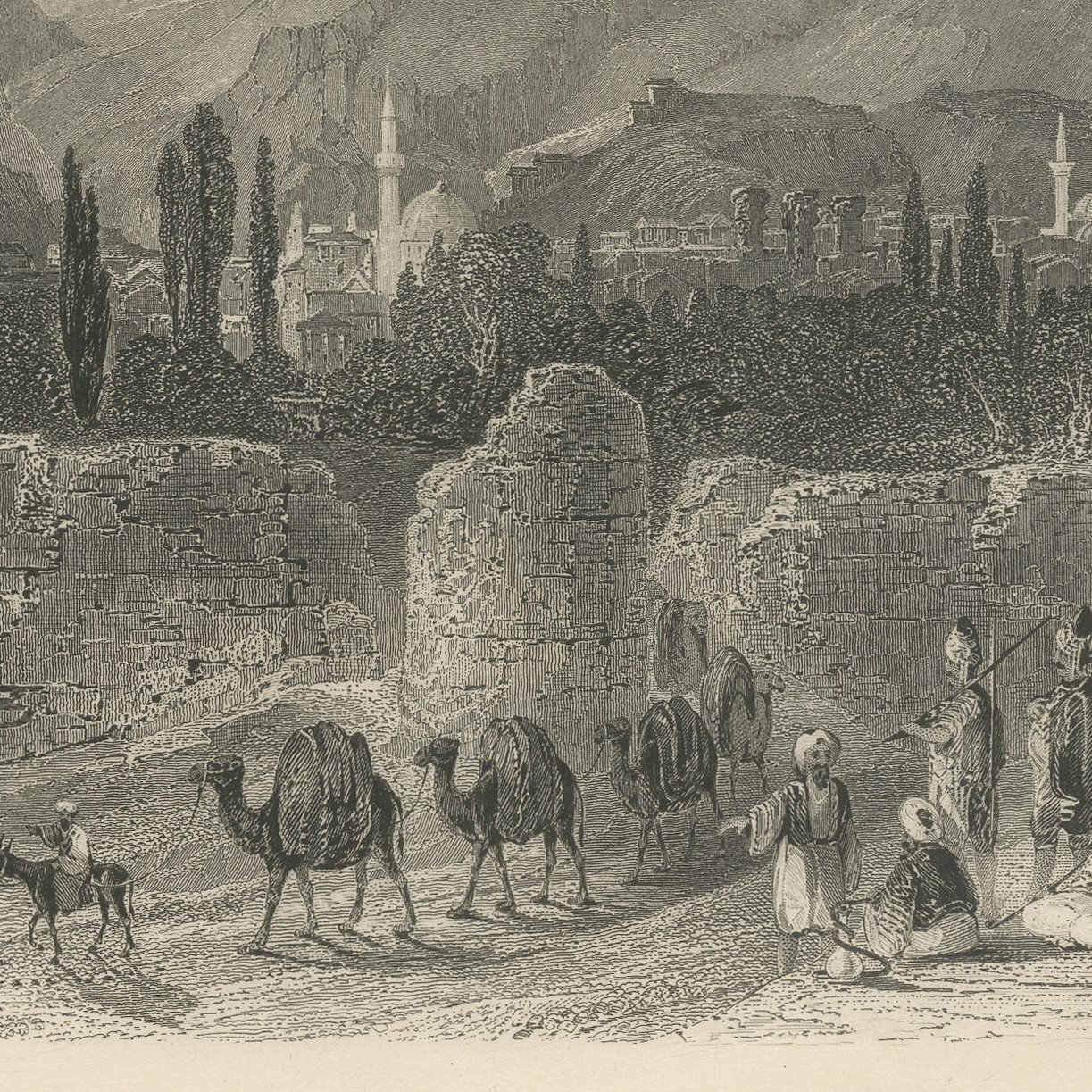
This is an original set of four antique steel engravings from the second volume of The Turkish Empire Illustrated, published in London by Peter Jackson about 1850, sold together as a set and not available singly. The first sheet shows the plain of Ephesus with broken columns and cut stone lying in the foreground, flocks and herdsmen moving across the middle ground and the walls and towers of the castle of Aiasaluk standing on the hill in the distance. The second sheet shows the steep rock of the Sardis acropolis rising over the valley of the Pactolus, the theater and the church of the Panagia marked in the ground below, a herdsman and animals in the foreground and the lettering across the top naming each feature including the tomb of Croesus. The third sheet shows Philadelphia, the Turkish Allah Sheir or City of God, and the fourth the acropolis of Pergamus.
They are four original sheets sold together, and the set is never split. They come from the second volume of The Turkish Empire Illustrated, drawn from nature by Thomas Allom with descriptions by the Reverend Robert Walsh and published in London by Peter Jackson at the Caxton Press about 1850. Every sheet is a steel engraving of the same size, printed without color as issued, with the draftsman lettered at the lower left, the engraver at the lower right and the publisher's imprint beneath the title.
Ephesus is the first of the Seven Churches of Asia named in the Book of Revelation and the greatest classical site in Asia Minor. Allom drew it before any systematic excavation, when the Artemision was still lost and the city lay as the plate shows it. Sardis was the capital of Lydia and the seat of Croesus, and it is one of the Seven Churches of Asia. Like the Constantinople panorama, this plate carries a line of printed labels identifying the ruins, which makes it useful as well as decorative. A matched group hung together reads as one piece of furniture on a wall rather than as several small pictures, and because the sheets are the same size they frame identically and line up without compromise. Framed alike in plain dark moldings with equal mounts they suit a hall, a stair, a study or a dining room.
Even age toning throughout. Marked handling soiling along the edges of all four sheets. Scattered foxing in the margins of all four sheets. All corners complete on every sheet.
This is an original antique print, not a modern reproduction. This item is sold unframed.
Explore